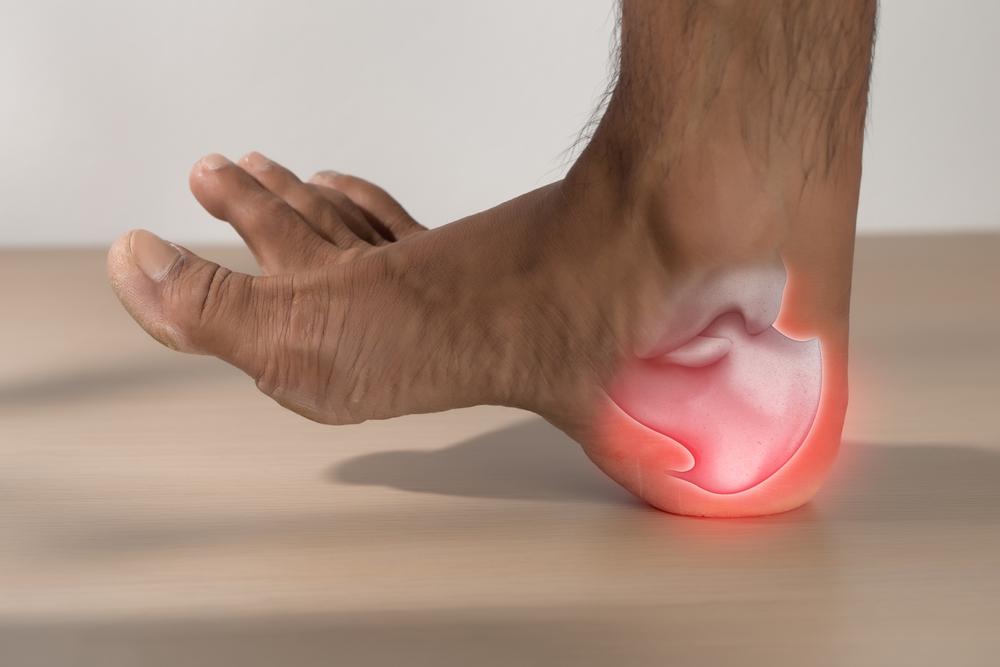


Ankle pain during or after running usually comes from strain on the muscles, tendons, or joints around the foot and lower leg. You might feel a sharp pull, stiffness, or soreness in or around the ankle, especially when pushing off or landing. This pain is often a result of how the body reacts to repeated movement, tight muscles, or lack of proper conditioning.
Understanding the source of your pain helps you avoid making it worse and gives you a clear path to recovery.
Common Causes of Ankle Pain When Running
Ankle pain from running comes from how the tissues in your leg respond to force, speed, and repetition. Pain in this area can be tied to tight muscles, irritated tendons, or increased strain from changes in your routine. Some causes are simple, like running too much too soon. Others involve soft tissue injuries or specific muscle groups that are overworked.
Many people experience ankle pain because of one or more of the following reasons:
- Overuse of muscles or tendons
- Tightness in the posterior chain
- Achilles tendon irritation
- Shin splints from repetitive impact
- Sudden changes in running volume
- Poor progression or return to running
Each cause requires a different treatment approach. Recognizing the pattern behind your pain can help guide your recovery.
Soft Tissue Strain from Overuse
The most common reason for ankle pain when running is soft tissue strain from repeated use. Tendons and muscles like the Achilles or peroneals absorb impact during every step, and over time, the tissue can break down faster than it recovers.
You might notice pain building gradually or a dull ache that lingers after your run. Overused tissue lacks time to heal between sessions, which increases stiffness and weakness. This pain is usually on the outer or back side of the ankle and worsens with movement or weight-bearing.
If you’ve recently started running more often, added hills or speed work, or returned after time off, your soft tissues may not be ready to handle the new load.
Tightness in the Posterior Chain (Hamstrings, Calves, Lower Back)
Tightness in the back of your legs—from the hamstrings to the calves and even the lower back—can create extra strain on the ankle. This group of muscles is called the posterior chain, and if it’s not flexible enough, it pulls on the tendons that run into the heel and ankle.
When these areas are stiff, your stride changes. You might land harder on your foot or use your ankle differently, leading to discomfort. This is especially common if you sit for long periods or don’t warm up properly.
To reduce strain:
- Stretch your calves and hamstrings daily
- Use heat before activity if the muscles feel tight
- Foam roll the entire back of the leg to improve mobility
Improving flexibility in the posterior chain makes ankle movement more efficient and lowers your chance of pain.
Achilles Tendonitis or Tendinopathy
Achilles tendonitis or tendinopathy happens when the tendon connecting your calf to your heel becomes irritated. This condition often starts with stiffness or a mild burning sensation at the back of the ankle. Pain usually feels worse in the morning or after rest and may ease as you move.
The Achilles tendon absorbs force with each step. When it’s overloaded from tight calves, poor footwear, or sudden increases in running, the tendon develops microtears. These tears lead to inflammation or degeneration, depending on how long the issue has been present.
Common signs of Achilles tendinopathy:
- Pain 2–6 cm above the heel
- Tenderness when pressing on the tendon
- Discomfort during push-off or uphill running
Running through this pain can worsen the condition. Treatment usually includes rest, eccentric strengthening, and sometimes modalities like laser therapy or shockwave therapy.
Shin Splints Affecting the Tibialis Anterior
Pain in the front of the lower leg, just beside the shin, often comes from shin splints. This condition affects the tibialis anterior muscle, which helps lift your foot during running. If this muscle becomes overloaded, the pain may radiate toward the ankle.
Shin splints result from repeated pulling of the muscle on the bone, especially when running on hard surfaces or with poor form. Unlike Achilles issues, this pain sits on the front or inside edge of the shin and doesn’t usually extend behind the ankle.
You may notice:
- A dull ache after running
- Sensitivity when touching the shin
- Pain with toe lifts or ankle flexion
Rest, icing, and calf stretching help reduce symptoms. Strengthening the anterior tibialis and gradually returning to activity prevents recurrence. For more on this condition, see shin splints.
Sudden Increase in Running Activity
Jumping into a new running schedule too quickly often leads to ankle pain. When the volume or intensity of running goes up faster than your body can adjust, tissues don’t have time to recover. This sudden increase stresses joints, tendons, and muscles, especially around the ankle, where force loads are high.
Runners who double their mileage, add back-to-back running days, or begin speed training without a base are more likely to get injured. Pain usually starts as a low-grade ache but can escalate with each run.
To avoid this:
- Increase mileage by no more than 10% per week
- Include rest days or cross-training
- Avoid dramatic changes in terrain or footwear
Even short bursts of overtraining can undo weeks of progress. Scaling back temporarily can prevent long-term setbacks.
Improper Running Progression
Improper progression in your running plan leads to stress in areas that aren’t ready for it. If you’re returning to running after time off or switching from walking to running, your ankle joints and soft tissue need time to build tolerance.
Common mistakes include skipping warmups, pushing pace too soon, and ignoring warning signs like soreness or fatigue. Running technique matters—striking too far forward or landing with stiff joints adds extra force on the ankle.
Progression tips:
- Begin with run-walk intervals
- Shorten stride to reduce impact
- Use supportive shoes appropriate for your foot type
Running form, recovery, and a steady build-up allow your body to adapt and reduce your risk of ankle pain. Addressing early warning signs helps you avoid more serious issues down the line.
How Can You Treat Ankle Pain When Running
Treating ankle pain from running depends on identifying the source and matching it with the right methods. Most cases respond well to targeted home care, especially in the early stages. If the pain is linked to overuse, tight muscles, or tendon irritation, simple techniques done consistently can help reduce symptoms and promote recovery.
When pain is more stubborn or lasts beyond a few weeks, professional help may be needed. But for many people, starting with home-based strategies can make a noticeable difference in how the ankle feels and functions.
Home Treatments
Home treatments for ankle pain focus on easing strain, improving tissue health, and restoring normal movement. These options work best when used early and matched to the type of issue you’re dealing with—tight muscles, overworked tendons, or general overuse.
You don’t need to do everything at once. Choose the options that apply to your symptoms and track how your ankle responds. If there’s no improvement after a week or two, it’s time to get a professional assessment.
Stretching the Posterior Chain
Stretching the muscles along the back of your legs—especially the calves and hamstrings—can ease the tension that often pulls on the ankle. When the posterior chain is tight, it limits how your ankle moves and increases the force on the Achilles tendon and surrounding tissue.
To stretch the calves:
- Stand facing a wall, place your hands on it, and step one leg back.
- Keep the back heel flat and knee straight.
- Hold for 30 seconds, then switch sides.
Hamstring stretches can be done lying down or seated. The key is to keep the back straight and avoid bouncing. Stretch daily or after each run to maintain length and flexibility in the chain. These small adjustments reduce how much stress travels down to your ankle with each step.
Using Heat for Muscle-Related Pain
Heat is most helpful when the pain stems from muscle tightness or overuse. Applying heat increases blood flow and helps relax the muscle tissue, especially in the calves and hamstrings.
Use a heating pad or hot pack for 15–20 minutes before activity or stretching. You can also take a warm shower or bath to loosen the muscles if stiffness is general or widespread.
Avoid using heat if the ankle is swollen or feels warm to the touch, as that suggests inflammation. In those cases, ice is more appropriate.
Icing for Inflammation (e.g., Tendonitis)
When pain feels sharp, hot, or appears with swelling—especially around the Achilles tendon—ice is more effective than heat. Inflammation can build up when tendons are overloaded, and icing helps reduce pain and control tissue damage.
You can:
- Apply a cold pack wrapped in a cloth for 15 minutes
- Use a frozen water bottle or cylinder under the foot
- Ice 2–3 times per day, especially after running or during flare-ups
This is particularly useful for cases of Achilles tendinopathy or early-stage overuse injuries. Ice is less effective once inflammation resolves or becomes chronic, where stiffness—not swelling—is the main symptom.
Rolling Calves and Foot on a Ball or Cylinder
Using a massage ball or foam roller to release tension in the calves and under the foot helps reduce strain that feeds into ankle pain. When muscles are tight, they pull harder on tendons and joints, limiting motion and increasing pressure.
Focus areas:
- Roll the calf muscles from ankle to knee, applying pressure slowly
- Use a tennis or lacrosse ball under the foot arch for 1–2 minutes
- Pause on sore spots, letting the tissue relax before moving on
This form of self-massage improves circulation, breaks up tight spots, and prepares the tissue for stretching. It’s especially helpful after a run or as part of a daily routine to prevent flare-ups.
Rest and Gradual Return to Activity
Letting your ankle recover through rest and controlled return to running is essential. Overuse injuries happen when tissue is stressed more than it can handle, and healing starts with unloading that stress.
This doesn’t always mean full bed rest. Active rest—like walking, gentle cycling, or strength work that avoids the ankle—keeps you moving without aggravating symptoms. As pain improves, gradually reintroduce running.
Guidelines for safe return:
- Use pain as a signal—if it worsens during or after a run, scale back
- Alternate run and walk intervals to test tolerance
- Increase volume or intensity by no more than 10% weekly
Rushing back increases the chance of chronic pain. Taking time now helps prevent a long layoff later.
Seeing a Professional
When ankle pain doesn’t improve with rest, stretching, or home care, seeing a professional helps you get clarity and avoid further damage. Pain that lasts longer than three weeks, worsens over time, or interferes with your ability to walk or run is unlikely to go away on its own. A physiotherapist, chiropractor, or chiropodist can assess how your ankle moves, identify any soft tissue damage, and guide you through the next steps.
Most ankle issues respond well to conservative care, especially when caught early. A professional can also rule out other conditions that feel like soft tissue injuries but involve joint or nerve problems. Getting the right diagnosis saves time and prevents months of trial and error.
When Should You Seek Professional Treatment?
It’s time to get help if your pain meets any of these markers:
- Lasts longer than three weeks
- Gets worse with activity instead of better
- Comes with swelling, redness, or a warm feeling
- Limits your ability to walk or run normally
- Returns every time you try to restart running
Pain that moves from a mild annoyance to a consistent barrier means there’s likely tissue damage, a joint restriction, or a tendon that needs structured care. Waiting too long can shift a short-term issue into a chronic one.
What Treatments Can You Get?
Professional treatment for ankle pain often starts with a physical exam and a full history to find out what caused the issue and what movements trigger it. This exam helps distinguish between muscle tightness, tendon irritation, and joint dysfunction.
Common treatments include:
- Hands-on therapy: Massage, soft tissue release, joint mobilizations
- Modalities: Laser therapy, ultrasound, electrical stimulation for inflammation or pain
- Exercise therapy: Strengthening and stretching, especially for the calves, Achilles, and supporting ankle muscles
- Shockwave therapy: Used in persistent cases like Achilles tendinopathy or plantar fasciitis
- Orthotics or taping: To support the foot and reduce load on painful structures
These approaches aim to reduce strain on the affected area and rebuild strength so you can return to activity without flaring the pain again.
How Long Does it Take to Heal?
The healing time depends on how long the pain has been present and what kind of tissue is involved.
- For pain lasting under 3 weeks: Expect to see improvement in 2–3 weeks of care.
- For pain present more than 3 months: A starting course of 3 weeks is followed by reassessment.
- If there’s 50% improvement at that point, full resolution might come in another 3 weeks.
- If there’s only 10% improvement, treatment may continue for up to 20 weeks.
Muscle issues often improve faster than tendon or joint problems. The sooner you start treatment, the shorter your recovery tends to be.
PinPoint Health Can Help
At PinPoint Health, we focus on identifying the real cause of your ankle pain and building a plan that works for your specific needs.
Our clinics offer:
- One-on-one assessments and movement exams
- Access to advanced treatments like shockwave and laser therapy
- Exercise programs tailored to your body and running goals
- Support in managing both short-term flare-ups and long-term prevention
We have locations in:
- Toronto
- Etobicoke
- Brampton
- Markham
- Maple
- Mississauga
- Newmarket
- Woodbridge
- Oakville
- Vaughan