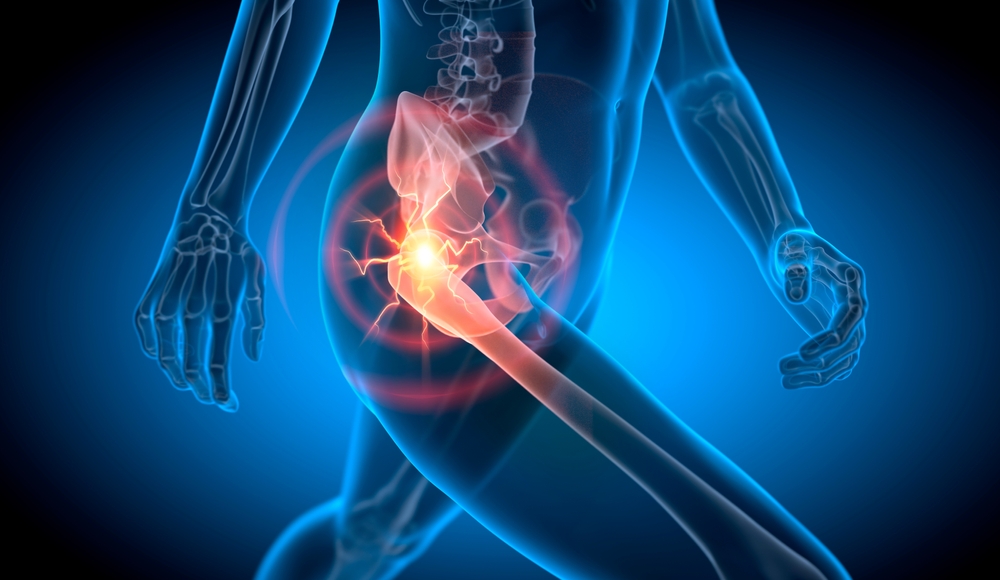

Hip pain that shows up while walking is often more than just a temporary ache. It usually points to a musculoskeletal issue that affects how your joints, muscles, or soft tissues work. If this pain comes back regularly or gets worse over time, it’s worth understanding what’s behind it. You might be dealing with a mechanical problem in the joint, irritation in soft tissues, or even long-term wear from everyday movement. This guide covers the common reasons your hip might hurt during walking, with direct, practical information to help you move forward.
Common Causes of Hip Pain When Walking
Several common medical conditions and mechanical problems in the hip can cause pain during walking. Most of them fall into one of five categories: femoral acetabular impingement (FAI), hip bursitis or capsulitis, muscle tightness or strain, arthritis, and fractures due to trauma. You can often narrow down the cause by paying attention to when the pain happens, how long it lasts, and what makes it better or worse.
Femoral Acetabular Impingement (FAI) – Primary vs. Secondary
Femoral acetabular impingement (FAI) is one of the most common structural causes of hip pain when walking. FAI occurs when the ball of the femur and the socket of the hip (acetabulum) pinch against each other during movement.
- Primary FAI involves structural changes in the bone, usually linked to arthritis. In this case, the joint itself is deteriorating.
- Secondary FAI is caused by tight muscles around the hip, which pull on the joint and create pressure. This version is more common in younger people.
FAI can limit your range of motion and create pain with each step. If you’re under 30 and your pain improves as you walk, it’s more likely muscular (secondary). If you’re over 60 and the pain gets worse, it may be structural (primary). You can read more about femoral acetabular impingement.
Hip Bursitis and Capsulitis
Pain on the outside or front of the hip may come from inflammation in soft tissue structures like the bursa or the joint capsule. Bursitis is the inflammation of the bursa — a small fluid-filled sac that helps reduce friction between tissues. Capsulitis is inflammation of the capsule surrounding the joint.
- Bursitis pain tends to feel worse during walking, especially on uneven ground or stairs.
- Capsulitis can make it painful to rotate or move your hip in circles.
- These conditions respond well to therapies like icing, ultrasound, or electrical stimulation.
You may feel sharp or burning pain over the outer side of your hip or tenderness if pressure is applied. Learn more about hip bursitis from AAOS.
Muscle Tightness and Inflammation
If the pain only shows up at the beginning of a walk and improves after a few minutes, it’s often due to tight muscles. Tight muscles around the hip — especially in the hip flexors or glutes — can press on the joint or pull it out of alignment.
- You might feel pain after sitting for a while and then getting up to walk.
- Muscle tightness can develop from sitting too long, poor warm-up, or lack of movement variety.
- Heat and movement (like light stretching or cycling) tend to help.
These muscular issues don’t usually cause swelling or sharp clicks. But they can still interfere with your walking. If the discomfort fades as you warm up, muscle tightness is the likely cause.
Arthritis and Age-Related Degeneration
Arthritis is a chronic condition where the cartilage in your joints wears down, making movement painful and stiff. It is the primary cause of FAI in older adults. Walking with arthritis tends to make the pain worse, not better.
If you’re over 60 and your pain doesn’t ease with activity, osteoarthritis is a strong possibility. Pain may feel dull, deep, and persistent. X-rays or MRIs often confirm the diagnosis. Treatment focuses on slowing the degeneration:
- Gentle exercise to maintain motion
- Heat to ease stiffness
- Joint replacement surgery in more advanced cases
If the pain worsens with each step, and you’re also noticing stiffness in the morning or after sitting, arthritis might be behind it. More on hip osteoarthritis.
Fractures from Trauma
Sudden, sharp hip pain after a fall or direct hit might be caused by a fracture, especially in older adults or those with osteoporosis. Even if you’re still able to walk, a hairline fracture could be present.
- Fractures often involve swelling, bruising, or an inability to bear weight.
- The pain doesn’t improve with time or movement.
- Medical imaging is required for confirmation.
If your hip pain started after a specific event or fall, don’t wait. Get an assessment right away to rule out serious bone injury. Here’s more on hip fractures.
How Can You Treat Hip Pain When Walking
Treatment for hip pain during walking depends on what’s causing the discomfort — whether it’s structural, muscular, or inflammatory. Managing this type of pain often starts with at-home care. If symptoms persist or worsen, professional support might be needed. Understanding the right strategy early can prevent further irritation and improve walking comfort.
Home Treatments
Home care works well when the pain comes from muscular tightness, mild inflammation, or early signs of joint irritation. These approaches are most effective when used consistently and tailored to how the pain behaves during movement. The goal is to reduce irritation and support healthy movement without aggravating the underlying issue.
Using Heat or Ice Correctly
Choosing between heat and ice depends on whether the pain is inflammatory or muscular. Ice is best for inflammation, such as in bursitis, which presents with sharp, burning sensations and sometimes visible swelling. Apply ice for 10–15 minutes, especially after walking or standing.
Heat is more effective for muscular tightness or joint stiffness. It helps relax the tissues and improves blood flow, which reduces discomfort caused by tight muscles or osteoarthritis. Use a heat pad before activity or in the morning when stiffness is most noticeable.
- Use ice for bursitis and other inflammation-related pain.
- Use heat for tight muscles or degenerative joint issues.
- Never apply either directly to the skin — use a towel or wrap.
Stretching and Mobility Work
Stretching is especially useful if hip pain improves with movement. That suggests the cause is muscular, such as in secondary femoral acetabular impingement (FAI). Stretching the hip flexors, glutes, and hamstrings can improve joint alignment and reduce tension on the joint capsule.
Mobility work can include light range-of-motion exercises, like controlled leg swings or moving the leg in a circular pattern while lying on your back. These movements help maintain synovial fluid circulation in the joint, which supports cartilage health.
- Focus on dynamic stretches before walking.
- Hold static stretches gently after walking, especially for tight areas.
- Don’t stretch through pain — ease off if discomfort increases.
Low-Impact Exercises Like Stationary Cycling
Stationary cycling is one of the safest and most effective exercises for people with hip pain. It keeps the joint moving without the high impact of walking or running. It’s especially helpful if the pain comes from primary FAI or early arthritis, where joint compression causes discomfort.
- Use a recumbent bike if upright pedaling feels unstable or painful.
- Start with 5–10 minutes and build up gradually.
- Cycling can serve as both a warm-up and a conditioning tool.
The steady motion promotes circulation and keeps the joint fluid, which is helpful in managing both muscular and arthritic pain.
Recognizing Patterns of Pain to Adjust Activity
Understanding when the pain occurs and how it changes is critical in choosing the right activity level. Pain that starts at the beginning of a walk and fades indicates muscular tightness. Pain that worsens with every step suggests joint degeneration, such as arthritis. Pain that’s sharp and sudden after a movement could signal a more serious issue like capsulitis.
- If pain eases with warm-up: focus on mobility and gradual strengthening.
- If pain worsens with activity: scale back walking distance and rest more often.
- Track pain in a log to notice changes over time.
These patterns help distinguish between conditions and allow for more informed decisions, especially if you need to speak to a professional later.
Seeing a Professional
When home treatments no longer ease your hip pain during walking, or the pain starts interfering with everyday activities, it’s time to involve a healthcare provider. A physiotherapist or chiropractor can examine how your hip moves, identify whether the issue is joint-related, muscular, or inflammatory, and recommend a precise treatment plan. Early intervention helps prevent long-term degeneration or compensation injuries in nearby joints like the knees or lower back.
When Should You Seek Professional Treatment?
You should get a professional assessment if the pain:
- Does not improve after 1–2 weeks of using heat, ice, and rest
- Gets worse with each step or occurs even at rest
- Feels sharp, stabbing, or causes a noticeable limp
- Started after trauma like a fall
- Occurs in someone over 60 with a history of arthritis or osteoporosis
- Limits your ability to stand, walk, or go up stairs
Professionals can also help when you’re unsure of what’s causing the pain. A detailed history and physical examination, often combined with imaging like X-rays or ultrasound, can clarify the diagnosis and rule out conditions like fractures or advanced degeneration.
What Treatments Can You Get?
Treatment depends on the cause but usually includes a mix of active and passive interventions:
- For muscular pain:
- Manual therapy for muscle release
- Guided stretching and strengthening
- Heat therapy
- For bursitis or inflammation:
- Ultrasound
- Interferential current
- Laser therapy
- Ice application
- For arthritis or FAI:
- Education on movement pacing
- Gentle mobility drills
- Strengthening to support joint stability
- Referrals for imaging or surgical consultation if advanced
Many clinics combine chiropractic and physiotherapy services, giving patients access to hands-on treatment and movement-based rehab under one plan.
How Long Does it Take to Heal?
The timeline depends on the root cause of the pain and how long it has been present:
- Mild muscular issues: improvement within 2–4 weeks of treatment
- Chronic tightness or bursitis: 4–6 weeks, depending on adherence to therapy
- Arthritic pain: ongoing management is typical, but 50% improvement is often seen within 3–6 weeks of consistent care
- Pain present for over 3 months: may require 8–20 weeks of care with reassessment every 3–4 weeks
If the pain improves quickly, treatment can taper off. If the pain is more stubborn, it usually means the underlying issue is more complex or has been left untreated for a long time.
PinPoint Health Can Help
PinPoint Health clinics offer both physiotherapy and chiropractic care with a strong focus on evidence-based treatment for musculoskeletal issues like hip pain.
We have locations in:
- Toronto
- Etobicoke
- Brampton
- Markham
- Maple
- Mississauga
- Newmarket
- Woodbridge
- Oakville
- Vaughan